Tackling diagnostic delays in partnership with a medical society
A cross-disciplinary digital community of Neurologists, Pediatricians, Pediatric Neurologists, Internal Medicine Specialists, and Family Physicians
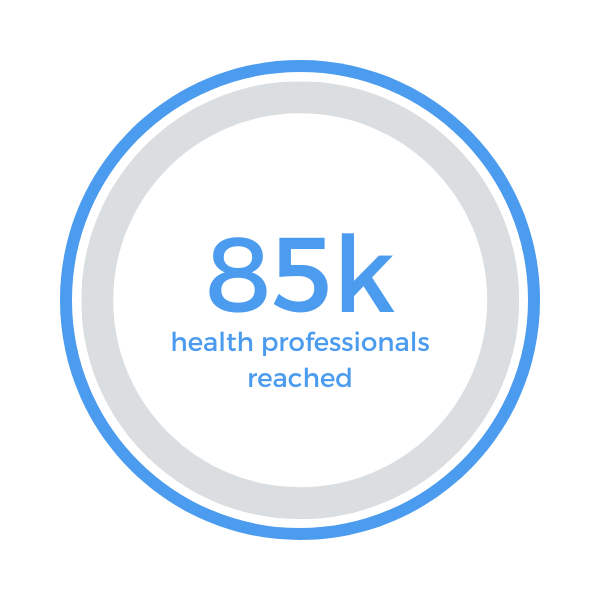
Clinicians demonstrated increased knowledge and competence around the recognition and assessment of DMD
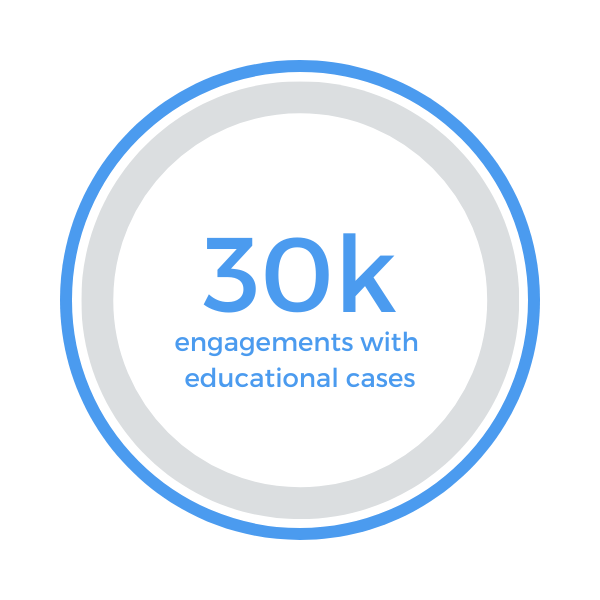
Clinical cases reflective of the patient perspective demonstrated the application of clinical knowledge
Educational Objectives
We set out to reduce time to diagnosis in DMD, which can be up to 2 years.
MedShr and the Muscular Dystrophy Association (MDA) partnered to deliver an Independent Medical Education program, funded by a top five pharmaceutical company.
Engagement Approach
Multidisciplinary digital community
Considering the challenges in diagnosis and management of neuromuscular disorders such as Duchenne muscular dystrophy, it was especially important to nurture multidisciplinary discussion and to educate the whole care team.
Expert-led clinical case discussion
We invited experts in DMD to lead educational case discussions designed to help doctors apply an informed multidisciplinary approach to treatment. Discussions included novel gene therapies versus conventional drug therapy.
MedShr's medical education programs are tailored, localized, and targeted
Medical Education Case Studies
Rare Disease: Forum for Doctors
With rare diseases, medical education is critical to accelerating diagnosis and referral, and improving patient outcomes. In this case-based medical education program, pediatricians, nephrologists, endocrinologists and family doctors came together in a digital case discussion forum to share their approaches to challenges in early detection of X-linked hypophosphatemia (XLH).
In pancreatic cancer and other rapidly evolving therapy areas, doctors are faced with an overwhelming amount of data. In this program, we connected oncologists, radiologists and hospitalists in a secure online forum on MedShr to reflect the cases they see in clinical practice. We then invited KOLs to share their insights about the implications of new data on diagnosis and management of patients.
Online medical education often fails to reach HCPs where it's needed most. With this ground-breaking program, we made a significant impact on patient care in LMICs, with over 903,400 doctors and community health workers engaging with free, open-access, mobile-first education in malaria, sickle cell disease, leprosy, antimicrobial resistance, ophthalmology, HIV and other high burden conditions.